Our Right to Heal — Black women fundraisers share their stories
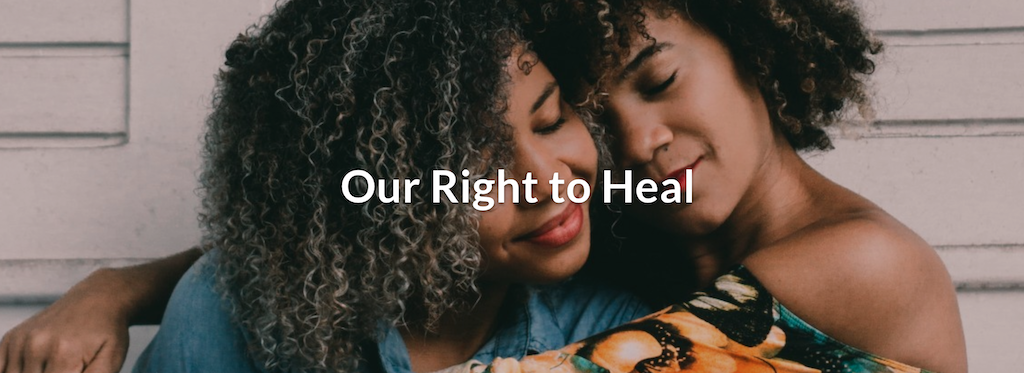
We are delighted to bring you two videos that introduce a wonderful initiative by our valued partners, the Association of Fundraising Professionals (AFP). This is Our Right to Heal, a selection of beautifully written essays where black women fundraisers share the experiences that have shaped their professional and personal lives.
- Written by
- Joe Burnett
- Added
- September 03, 2020
Introduction
In 2019, AFP was approached by a group of Black Canadian women fundraisers who wanted to tell their stories, both professional and personal. The project would contain a series of what they’re calling Bright Papers, each written by a member of the group, as well as videos and interviews. You can read more about the project in detail here.
SOFII is grateful to our friends at AFP for letting us reproduce some of the highlights from this campaign, called Our Right to Heal, on our site. This is a superb initiative and one that couldn’t be more timely. Next week, we will bring you excerpts from some of the stories from the project and link back to the Our Right to Heal pages on the AFP website for you to delve into in more detail.
I think this quote from the project’s instigator Nneka Allen, CFRE, sums up the aims of Our Right to Heal perfectly:
‘The stories we share unveil our individual experiences; the details of the injustice and inequity we face daily; they also reveal the depth of our individual and collective courage. These stories were written a year ago during times of certainty. And in this time of global crisis due to COVID-19, we believe exposure and understanding of our realities is even more critical.
These are revolutionary times and we know first-hand how Black women are uniquely situated within overlapping systems of oppression to sustain disproportionate losses of both life and livelihood during this pandemic.’
The two videos below are a great gateway into the project. We hope you enjoy them as much as we did and stay tuned for more great content from Our Right to Heal next week.
“Conditional Invite”
‘During this time of chaos the conditions in which Black people live are amplified. The thought leadership and resilience that the Black community possesses is a commodity currently being squandered. Now is the perfect time to begin listening to and trusting the voices of Black people.’
- Nneka Allen