The main areas of fundraising
CDE project 5 summary: the supporter’s journey
by The Commission on the Donor Experience
This project will define the process and seek to be helpful to fundraisers wishing to offer their donors a truly satisfying, rewarding long-term experience.
Read moreHarold Sumption: the shy pioneer
by SOFII-author
In this addition to SOFII’s Fundraising Legends series, Ken Burnett proudly shares the full text of Harold’s only published material – Yesterday’s trail-blazing and pointers for tomorrow.
Read more‘Behind the clock’ legacy marketing – if you aren’t doing it, perhaps you should be

by Eifron Hopper
The decision to make a will and leave a legacy is often one that takes a long while. Find out how to engage with your supporters and deliver the legacy messages that will help them to make one of the most important gifts of all.
Read moreRemember a Charity’s initial research into legacy giving
by SOFII-author
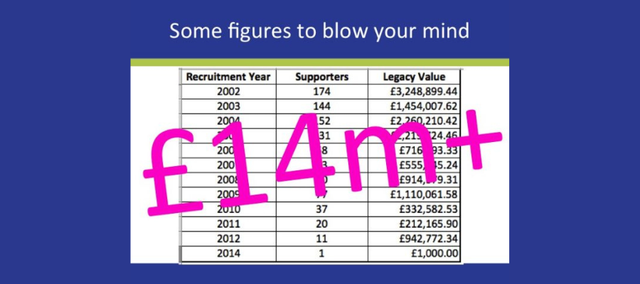
Charities in the UK receive £2 billion per year, 13 per cent of all charitable donations, through gifts in wills. Research carried out this year by Remember a Charity showed that by asking the right questions this already massive amount could be increased by 67 per cent. Want to find out the questions? Of course you do so, go ahead, click here to see them on SOFII.
Read moreCancer Research UK: ‘No-make-up selfie’ campaign

by SOFII-author
An 18 year old from Stoke in the UK is credited with dreaming up the no-make-up selfie craze that raised an amazing £1 million in the first 24 hours, mainly through text messages and social media. The craze went on to raise £8 million in a week. Cancer Research UK can now report back to their hundreds of thousands of new donors that 10 clinical trials are now in place that otherwise wouldn't exist.
Read moreEveryChild: Gift Aid ‘mop-up’ campaign
by Matthew Sherrington
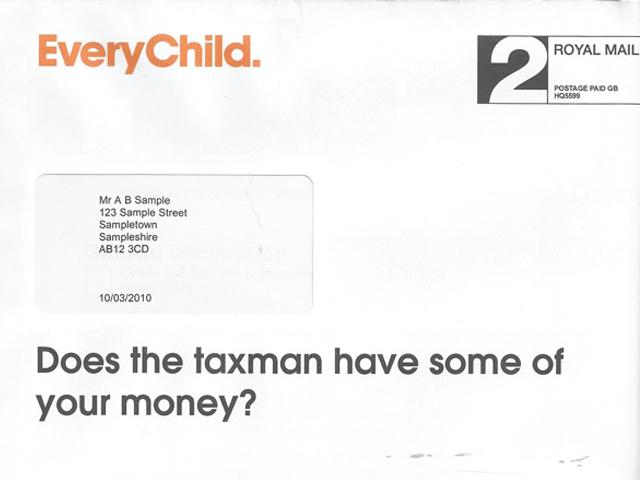
For any UK charity, reclaiming tax on donations going back the last four years could be a huge windfall. This case study shows you how it’s done... because after sending out this successful direct mail piece, EveryChild’s average Gift Aid claim was £165 per response.
Read moreMovember: A fundraiser’s story of raising money through personal sponsorship

by SOFII-author
A great case study from a ‘mo bro’ of doing fundraising, engagement and feedback well, and being focused on supporters’ needs and interest.
Read moreThe collection: it’s never too late to do something wonderful.

by Ken Burnett
A new fundraising experience for less-than-new fundraiser Ken Burnett: rattling a bucket on behalf of Syrian refugees. Read how he met some interesting people, raised some money and learned that truly it’s never too late to do something wonderful.
Read moreORBIS: Gift Aid campaign

by SOFII-author
Making life easy for donors. That is the proposition from ORBIS UK in this Gift Aid appeal. Yes, you can save someone’s sight by just ticking a box.
Read moreNational Society for the Prevention of Cruelty to Children (NSPCC): Gifts in Wills brochure

by SOFII-author
A gifts in wills brochure, produced by the National Society for the Prevention of Cruelty to Children (NSPCC), in full.
Read moreFondation Nicolas Hulot pour la Nature et l’Homme: ‘eco-actors’
by SOFII-author
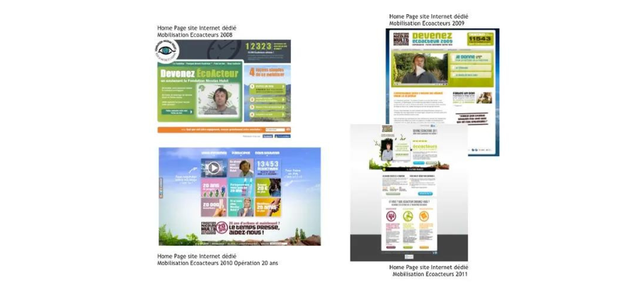
By giving their supporters the chance to become ‘eco-actors’ the Fondation Nicholas Hulot pour la Nature et l’Homme (the Nicholas Hulot Foundation for Nature and Mankind) forged a special relationship with them and raised an amazing amount of money.
Read moreIn lieu of flowers: how to write lively memorial donation thank-you letters

by Lisa Sargent
Are your in-memoriam donation thank-you letters destined for donor oblivion?
This copywriting clinic looks to help you rescue them from a fate worse than, well… death.
Read more